Explore Fish Line Prices: Secure the Leading Deals on Durable Lines
Maneuvering the world of fishing line prices requires a careful approach. Anglers need to evaluate various types, like monofilament, braided, and fluorocarbon, each offering unique advantages. Important aspects impact pricing, from brand reputation to material quality. Understanding these components can lead to more informed purchasing decisions. Still, the challenge lies in managing cost and performance. What methods can one use to ensure they obtain the best value for their investment?
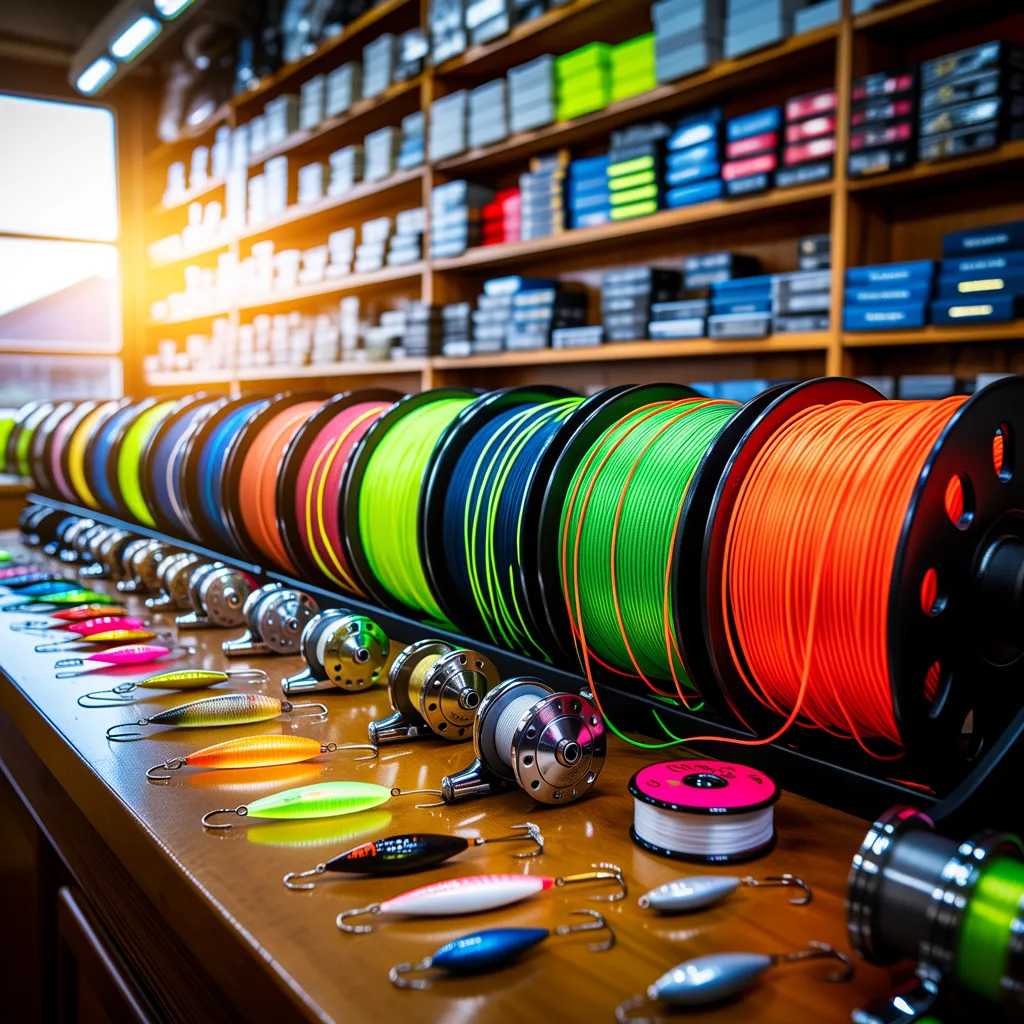
An Overview of Various Kinds of Fishing Lines: Monofilament vs. Braided
Fishing lines play an important role in angling, with two primary types leading the market: monofilament and braided. Monofilament lines consist of a single strand of nylon, offering elasticity and user-friendliness. They provide strong knot strength and stretch, which can absorb sudden shocks from fish, making them a favored choice for novice anglers. However, they are more prone to UV damage and can deteriorate over time.
On the other hand, braided lines are made of multiple strands braided, resulting in a line that is thinner yet stronger and has minimal stretch. This feature enables improved sensitivity and control, making braided lines perfect for experienced anglers targeting larger fish species. Despite their benefits, braided lines can be more difficult to manage, especially when tying knots. Ultimately, deciding between monofilament and braided lines depends on the angler's preferences, fishing conditions, and the species being targeted.
Critical Details That Modify Fishing Line Fees
Several notable factors influence the prices of fishing lines, mainly material quality and brand prestige. Better materials usually bring a higher cost since they can enhance performance and durability. Also, well-known brands may set higher prices on their products because of the consumers' perception of reliability and trust.
Material Grade
The composition of materials plays an important role in setting the price of fishing lines. Various types such as monofilament, fluorocarbon, and braided lines offer distinct advantages and disadvantages that influence their costs. Monofilament lines are usually more affordable, offering flexibility and ease of use but may be less durable. On the other hand, fluorocarbon lines, known for being virtually invisible underwater, often come at a higher price due to their sophisticated manufacturing processes. Braided lines, which are prized for strength and sensitivity, also demand a higher price, reflecting their intricate construction. The choice of material significantly impacts performance, longevity, and overall value, making it a critical factor in pricing. Ultimately, anglers must assess how material quality aligns with their angling needs and budget.
Brand Prestige
The reputation of lines heavily impacts pricing strategies for fishing lines in the competitive angling market. Established brands, known for their quality and reliability, often command higher prices due to consumer trust and loyalty. Anglers tend to prefer lines from manufacturers with a history of performance, leading to a perception that these products offer superior durability and effectiveness. Conversely, lesser-known brands may price their lines lower to attract budget-conscious consumers, but this can raise concerns about quality and reliability. Additionally, marketing efforts and endorsements from professional anglers can further elevate a brand's standing, justifying premium pricing. Consequently, brand reputation serves as an essential factor in determining the cost of fishing lines, impacting both consumer choices and market competition.
Finding the Finest Discounts on Fishing Gear
In what ways can fishing enthusiasts verify they are obtaining the best deals on fishing lines? To secure the most beneficial prices, details it is essential for them to carry out comprehensive research. Using online price comparison tools can help discover attractive rates among various retailers. Moreover, signing up for newsletters from fishing supply stores frequently offers access to exclusive discounts and promotional offers.
Timing is additionally a major factor; buying in off-peak seasons or during sales events can yield substantial savings. Anglers should consider buying in bulk or joining loyalty programs that offer price reductions to frequent purchasers.
Moreover, investigating second-hand options or local classifieds could uncover superior lines at marked down prices. Connecting with fishing communities online can also yield recommendations for trustworthy retailers and alerts regarding flash sales. By using these strategies, anglers can verify they receive the best value for their fishing line investments.
Steps to Compare Preferred Fishing Line Brands Skillfully
A range of anglers look to compare popular fishing line brands to confirm they choose the most ideal option for their needs. To do this efficiently, they should consider several essential factors. First, they can look at the variety of line—monofilament, fluorocarbon, or braided—each offering distinct advantages depending on fishing conditions. Next, anglers should review brand reputations, including customer feedback and expert recommendations, to evaluate reliability and performance.
Comparing prices across various retailers is also essential, because discounts or promotions can greatly impact the overall cost. Furthermore, anglers might review the line’s breaking strength, diameter, and sensitivity, key factors for distinct fishing techniques. Finally, understanding the warranty or satisfaction guarantee can provide assurance in their purchase. By carefully analyzing these aspects, anglers can make knowledgeable decisions and find the fishing line that best meets their requirements.
Reviewing Angling Line Quality Before Making a Purchase
When choosing fishing line, grasping the different kinds of materials is essential for making an educated choice. Additionally, evaluating line strength is vital, as it affects a fisher's success in varied conditions. These factors play a significant role in determining the general quality and effectiveness.
A Comprehensive Overview of Material Forms
Understanding the different kinds of materials of fishing lines is essential for anglers looking for quality and performance. Fishing lines usually fall into three main categories: monofilament, braided, and fluorocarbon. Monofilament lines are well known for their versatility and ease of use, making them a common selection for beginners. Braided lines, famous for their strong strength-to-diameter ratio, offer outstanding sensitivity and casting distance, attracting experienced anglers. Fluorocarbon lines are nearly invisible underwater, providing an edge in clear water conditions. Each material type presents unique characteristics, influencing factors such as stretch, visibility, and abrasion resistance. By understanding these differences, anglers can make informed decisions that improve their fishing experiences and ensure they choose the most appropriate line for their specific needs.
Important Elements for Line Strength
Selecting the correct fishing line means thorough consideration of line strength, which is a key quality indicator. Line strength is most often measured in pounds, indicating the maximum weight it can handle without breaking. Anglers should match line strength to their target species and fishing conditions; larger fish and harsh environments call for stronger lines. Break-test ratings provide valuable insights into true performance, illustrating how a line behaves under stress. Also, variations in line material—like monofilament, fluorocarbon, or braided—can affect overall strength and durability. Thus, evaluating line strength helps not only in selecting the right product but also boosts the chance of a rewarding fishing experience. Prioritizing quality ensures reliability and contributes to a more enjoyable angling journey.
When to Schedule Your Buying for Season Offers and Promotions
Although fish line prices fluctuate through the year, wise shoppers can enhance their benefits by planning their acquisitions around seasonal discounts and marketing deals. Retailers often offer major sales during crucial fishing periods, such as spring and summer, when interest peaks. Black Friday and holiday sales likewise present top opportunities to find discounted prices on quality lines.
Additionally, end-of-season clearance events can yield substantial savings as retailers seek to clear inventory. By signing up for newsletters or following retailers on social media, consumers can stay updated about upcoming sales and exclusive promotions.
Moreover, various fishing brands roll out new products every year, bringing about discounts on previous models. Shoppers interested in buying last year's lines can often find better deals without sacrificing quality. Planning purchases around these schedule methods can guarantee that anglers secure the best fishing lines at fair prices.
Maximizing Online Fishing Line Deals
Many anglers can greatly increase their money saved by using online fishing line discount offers. To take full advantage of these options, it is crucial to compare prices across numerous e-commerce vendors. Online marketplaces often include special bargains, promotional codes, and timed sales that brick-and-mortar stores may not carry.
Anglers should also consider signing up for newsletters from trusted retailers; these often contain early updates about upcoming sales and special offers. Employing price comparison tools can further enhance the search for the best deals.
Additionally, joining online fishing groups or forums can provide insights into where to find the most competitive prices and recommendations on quality brands.
In conclusion, bulk purchases can produce important savings, as many retailers sell at decreased prices per unit for larger quantity buys. By employing these approaches, anglers can guarantee they achieve the highest value for their fishing line purchases.
Common Questions Asked
Which fishing line brands rank as the best for newcomers?
For new anglers, popular fishing line brands include Berkley, KastKing, and Stren. These brands offer reliable, user-friendly options that balance performance and cost-effectiveness, making them ideal choices for those new to fishing.
How extended period can angler's line commonly last?
Fishing line generally lasts between three to five years, based on factors like sunlight exposure, moisture, and proper storage. Regular inspections and replacing worn lines can ensure peak performance for fishing enthusiasts.
Can I use diverse types of thread on the identical Reel?
Yes, varied types of fishing line can be used on the same reel, although compatibility remains paramount. Anglers ought to consider aspects such as width, power, and material to ensure optimal performance and avoid complications.
Which Size of Tackle Do I Select for Several Aquatic Species?
The recommended fishing line weight depends on species; fine lines, around 4-10 lb test, fit smaller fish, whereas stronger lines, 15-30 lb test, are preferred for larger species such as bass or pike. Choice is based on fishing conditions.
Can You Discover Environmentally Safe Fishing Line Options Available?
Yes, environmentally friendly fishing line options are offered, including biodegradable materials and recycled nylon lines. These options aim to minimize environmental impact while maintaining performance, catering to eco-aware anglers seeking sustainable fishing methods.